Medics and medical advocates in Western Uganda are concerned over increasing cases if Hydrocephalus and spinal bafida in new born babies despite no services to carter for the conditions in the Region health service system.
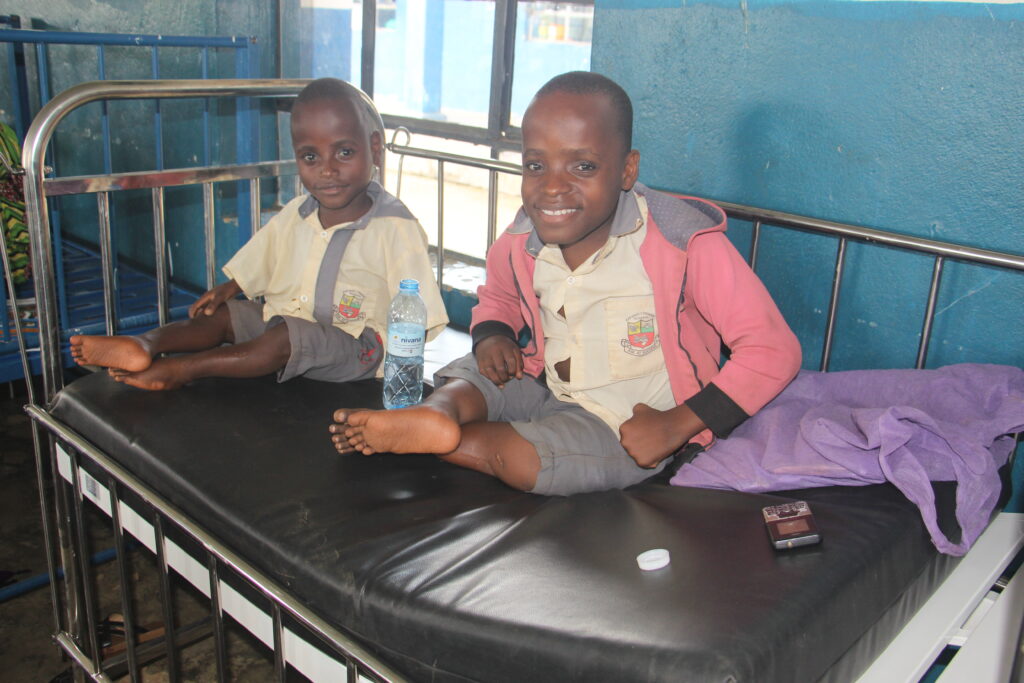
The Condition that is attributed to congenital factors is expressed at child birth with a child born with a swelling on the back (Spinal Bafida) or with fluids in the skull causing the head to expand in size (hydrocephalus) has in the past years increased with at least 1 in every 100 births having the condition.
The Ntungamo district health officer Dr Amon Bahati says the district can only do mass sensitization especially to mothers on prevention and avoiding the condition on their new born babies by offering nutrition lessons at antenatal and also providing folic acid which is key in preventing the condition.
“These conditions are usually caused by congenital anomalies perhaps due to lack of some nutrients particularly folic acid. We sensitize communities how they can prevent these conditions, we also refer people particularly those with the conditions to MRH, Mbale or Ruharo when they have camps. We try to deploy health care workers at all facilities to ensure that mothers who come for antenatal receive folic acid with is fundamental in development of the child in the womb.” Dr Bahati said.
He however notes that the role of the district facilities is only advising on the facilities to get treatment and prevention.
“We do not have a facility that can treat such, ours is to advise parents on where to get treatment if the prevention has failed. We are worried if such increases we need to adapt and find a way out.” He added.
Ms Betty Adong assistant manager spinal Bafida hydrocephalus association Uganda (SHAU) in South Western region, an association advocating for rights and helping persons and families of persons living with the conditions says the growing need needs more attention.
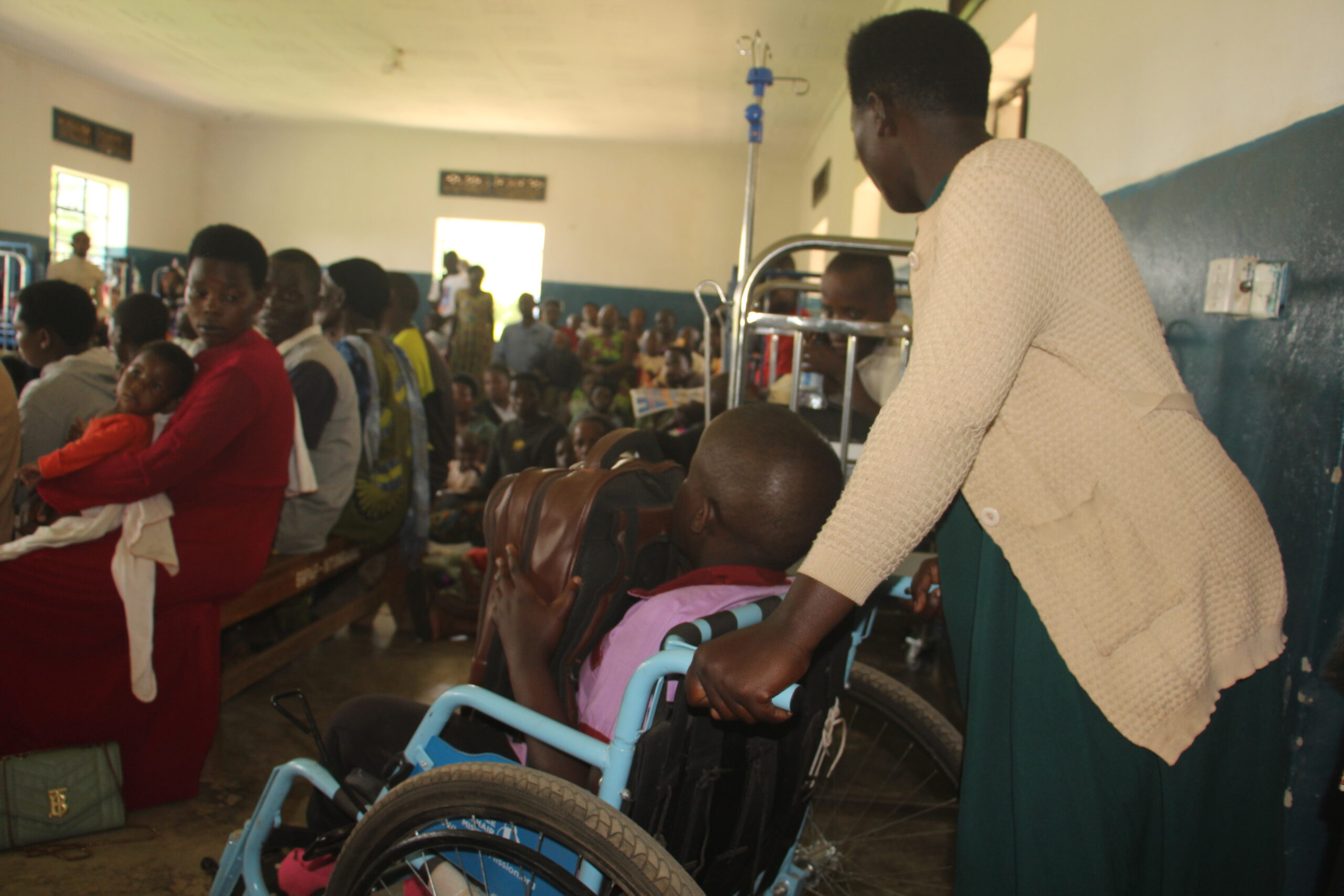
“There are so many children in our community but when you don’t go there you may not know, what is lacking is awareness of the services available. Many in the community associate the condition to witchcraft and bad luck, but we must tell everyone that its medical and especially to mothers. We have over 100 children here (in the region) that are born with this condition and we are lucky the parents love their children, they normally bring them to camps.” Ms Adong said at the sidelines of a medical camp at Kitwe Health Centre IV on Tuesday.
“Because the condition is not very common, medical services especially in government have not given it a priority, currently the condition is managed at Mbale cure hospital, Mbarara regional referral hospital of during medical camps at Ruharo hospital, we only appeal for further attention.” Attention, she added
At least 173 patents with eth condition and other disabilities were treated during the camp with some referred for surgery. Ms Adong asked parents to endure and take good care of the children living with the condition.
Most children with the condition die at a young age however some who grow up live up to 50 years. Children normally born with the condition either take long to stand and walk or never walk at all. They pass urine and stool without control and at times require being aided full time to make them survive. Most survive on permanent medication which is not available in government health systems.
The association is currently aiding families to improve their incomes as most families with such children are poor.
End.